Will 2026 Be a Strong Year for Real Estate? What Today’s Mortgage-Rate Volatility Really Means
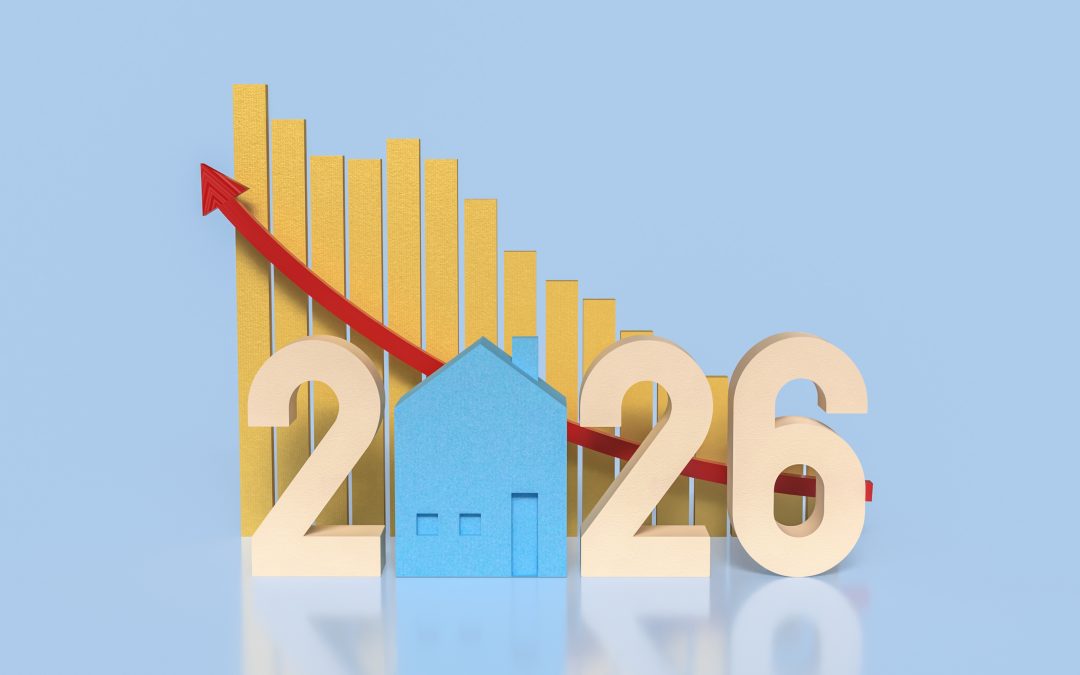
Q: Will 2026 be a strong year for real estate even with all the rate and policy headlines?
A: Yes—despite short‑term volatility from policy moves and global headlines, leading forecasts point to more inventory, steady‑to‑slightly‑lower mortgage rates than 2025, and higher home sales in 2026. Here’s what that means for you.
The Quick Context: Why Rates Whipsawed to Start the Year
The first weeks of 2026 delivered a pile‑up of news that moved mortgage markets:
-
A federal directive for the GSEs to buy up to $200B in mortgage‑backed securities (MBS) briefly pushed mortgage rates to a three‑year low before markets reassessed.
-
Geopolitical noise—including tariff threats tied to debates over Greenland—nudged Treasury yields higher, which pulled mortgage rates back up.
-
Even with the bump, average 30‑year rates in mid‑January remained well below most of 2025’s peaks.
Bottom line: Near‑term headlines can swing day‑to‑day rates, but the larger 2026 backdrop still points toward a more active housing year than 2025.
What This Means If You’re Planning to Buy in 2026
-
Affordability is improving at the margins. Rates are lower than much of last year, and sellers are more realistic on pricing as inventory slowly rebuilds.
-
New construction can stretch your budget further. Builders continue to offer rate buydowns and closing‑cost credits—ask about permanent buydowns and price‑protected delivery windows.
-
Lock smart. Consider a float‑down option with your lender. If rates improve before closing, you capture the drop; if they rise, you’re protected.
-
ARMs vs. fixed: Adjustable‑rate mortgages are back in the conversation. Make sure the reset math works for your time horizon and budget.
Buyer To‑Do List
-
Get fully underwritten pre‑approval (not just pre‑qualification).
-
Price‑shop three lenders on the same day; compare APRs, points, and credits.
-
Ask about temporary (2‑1/1‑0) buydowns vs. permanent buydowns; run both scenarios.
-
Build a cushion for taxes/insurance—escrows are adjusting up in many markets.
What This Means If You’re Planning to Sell in 2026
-
Demand is set to rise. Several forecasts call for higher transaction volume this year as rates stabilize.
-
Pricing strategy matters more than ever. Buyers are payment‑sensitive. Price to the market—not yesterday’s comps—to avoid going stale and inviting lowball offers.
-
Presentation still wins. Clean, staged, and well‑photographed homes beat the market, even when rates wobble.
Seller To‑Do List
-
Secure a pre‑listing inspection to eliminate surprises.
-
Offer a seller credit that can be used for a rate buydown; it widens your buyer pool without a headline price cut.
-
Time your launch—Thursday list, weekend open houses, and an offer review plan.
-
Prepare for appraisals with a data packet: upgrades, utility costs, recent comps, and feature sheet.
Pro tip: If you’re also buying, negotiate a rent‑back or extended closing to line up your move without double moves or storage.
Why Many Pros Still Expect 2026 To Be Stronger Than 2025
Even with noisy headlines, the fundamentals look better:
-
Sales volume: Major housing economists project higher existing‑home sales in 2026, with estimates ranging from a modest single‑digit gain to low‑teens growth.
-
Rates: Consensus calls for mortgage rates near the low‑to‑mid‑6% range on average this year—well below 2025’s worst prints.
-
Supply: More life‑event moves (new jobs, growing families, downsizing) and easing “lock‑in” effects should lift listing inventory, creating a healthier, more balanced market.
-
Prices: Expect flat‑to‑modest national price gains—roughly in line with inflation. Local results will vary by job growth and supply.
Making Sense of the Institutional‑Investor Debate
You’ll hear talk about banning or limiting large investors from buying single‑family homes. Two things can be true:
-
Policy talk moves markets because it changes how investors price risk.
-
Institutional owners remain a small share of the 90+ million U.S. single‑family homes, though their footprint is concentrated in a handful of metros.
What it means for you: In some neighborhoods, fewer investor bids could reduce competition at the margin. But household buyers will still compete most directly with other households—so strategy and preparation matter more than headlines.
Rate Paths to Watch (and How to Play Each One)
Scenario A: Sideways Drift (Most Likely).
Rates bounce between ~5.9% and 6.6%.
-
Buyers: Use float‑down locks and keep pre‑approval current.
-
Sellers: Incentivize with buydowns instead of big price cuts.
Scenario B: Surprise Decline.
A soft inflation print or easing global tensions drops rates toward the mid‑5s.
-
Buyers: Be ready—inventory moves faster; have underwriting and funds lined up.
-
Sellers: Shorten your offer window; consider a list‑price test without credits.
Scenario C: Temporary Spike.
Tariff shocks or hotter inflation pushes rates back above ~6.7% for a spell.
-
Buyers: Lean on temporary buydowns or builder incentives; consider ARMs if your horizon is <7–10 years.
-
Sellers: Tighten pricing to the top of the comp range and sweeten with credits; focus on condition and marketing.
Tactics to Win in a Headline‑Driven Market
-
Decide by numbers, not noise. Build payment ranges you can live with and shop homes that fit those ranges—not the rate you saw on social media yesterday.
-
Use credits creatively. A $10,000 seller credit may cut your payment more than a $10,000 price drop. Run the math.
-
Mind your timeline. If you plan to stay 7+ years, small rate differences matter less than buying the right home. If your horizon is short, consider ARMs or new‑build incentives.
-
Keep your file “fast‑close” ready. Underwriting updates, income docs, and large‑deposit letters—have them prepped.
Compliance Corner (Read This Part)
-
Fair Housing: Marketing and advice must comply with the federal Fair Housing Act and state laws. Avoid steering, blockbusting, or discriminatory language—ever.
-
RESPA: Any referral relationships (lenders, title, inspectors) require proper disclosures. No kickbacks.
-
Commissions & NAR Settlement: Compensation is negotiable. Discuss your options in writing; do not assume “standard” rates.
-
Get pro advice: For legal, tax, or financial planning, consult qualified professionals. This article is general education, not personalized advice.
FAQs
Are rates going to 5% this year?
Possible, but not the base case. Most outlooks expect averages in the low‑to‑mid 6s with swings on news. Plan for that range and treat sub‑6% as upside.
Should I wait for rates to drop?
If you find the right home at a payment you can afford, waiting can cost you competition and price appreciation. You can always refinance if rates fall.
Will policy changes ban investors and fix affordability?
Limits could reduce investor demand in select metros, but affordability depends more on supply growth, income gains, and stable rates.
The Takeaway
Despite the noise, 2026 is set up to be a busier, healthier housing year than 2025. If you’re buying, prep financing and move fast on the right home. If you’re selling, price to today’s market and use credits to meet buyers where they are. Either way, a calm, numbers‑first plan will beat the headlines.
Ready to talk?
The Texan Heritage Realty Group team is here to help make sense of the noise and the headlines. Whether you’re buying, selling, or exploring options, we’ll walk you through today’s rates, incentives, and timing so you can act with confidence.
-
Buyers: We’ll compare lenders, lock strategies, and buydown math—side by side.
-
Sellers: We’ll price to today’s market and craft credits that widen your buyer pool.
-
Curious: Book a quick consult for a personalized plan—no pressure, just clear next steps.