
What Should I Know Before Buying a House With Acreage in Johnson County, Texas?
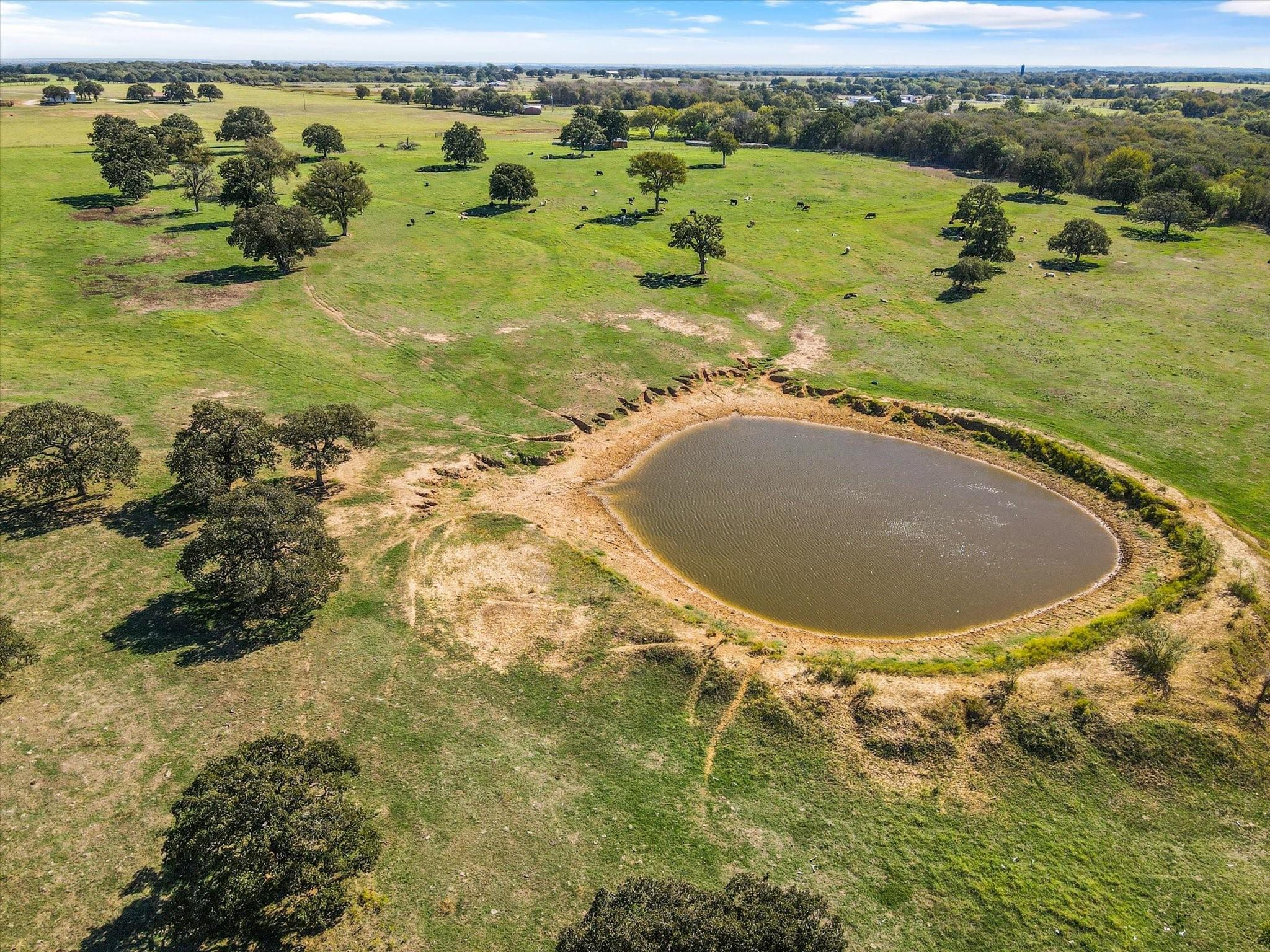
Quick answer: Buying acreage in Johnson County requires more due diligence than simply inspecting the house. Before purchasing, buyers should investigate boundaries and surveys, deed restrictions and easements, water source, septic system, access, flood considerations, agricultural appraisal status, utilities, intended land use, and whether improvements such as barns, shops, fences, wells, or septic systems have the documentation you expect. Rural property can offer tremendous freedom, but “outside the city” does not mean “there are no rules.”
This is exactly the type of article I want us publishing more often because acreage is a genuinely different transaction.
You aren't just buying a house.
You're buying the dirt underneath it, the water serving it, the wastewater system, access rights, fences, easements, outbuildings, and potentially agricultural and mineral considerations.
Is Buying Acreage Different From Buying a House in Town?
Absolutely.
A typical subdivision home might have municipal water, sewer, platted boundaries, paved public streets, and fairly obvious utility connections.
A Johnson County acreage property could have:
- A private well
- Co-op or rural water
- Septic
- Propane
- Agricultural special appraisal
- Easements
- Private-road access
- Cross-fencing
- Barns and shops
- Stock tanks
- Multiple dwellings
- Mineral interests
- Deed restrictions
- No HOA—but still meaningful restrictions
That's why acreage buyers should investigate the land and infrastructure, not merely the residence.
Do I Need a Survey When Buying Texas Acreage?
A survey can be especially important on acreage.
You want to understand the property's actual boundaries and how improvements relate to them.
Questions may include:
Does the fence follow the property line?
Is the driveway entirely on the property?
Where are the easements?
Does a neighbor cross the property?
Do barns, shops, or other improvements create boundary concerns?
The larger the tract, the more dangerous it becomes to assume the fence is the legal boundary simply because it looks old enough to have known Sam Houston personally.
What Should I Know About a Private Water Well?
If the home is served by a private well, investigate it separately from the ordinary home inspection.
The Texas Water Development Board specifically recommends that buyers considering a home with a private well obtain the well report. Texas generally does not require a private owner to register a well statewide, although groundwater-conservation-district requirements may apply.
Questions to investigate include:
- Where is the well?
- Is a well report available?
- How old is it?
- What equipment serves it?
- What is its condition and production?
- Has the water been tested?
- Is the property within a groundwater conservation district?
- Does that district impose applicable rules?
Water-quality testing may also be appropriate. TWDB notes that testing options vary from basic bacteria testing to more comprehensive analyses.
What Should I Know About the Septic System?
Don't treat septic as “just another plumbing item.”
Texas calls these systems on-site sewage facilities, or OSSFs.
TCEQ says a permit and approved plan are generally required to construct, alter, repair, extend, or operate an OSSF, subject to specified exemptions. Local permitting programs can also impose requirements stricter than state minimums.
When buying, I want to investigate:
What type of system is it?
Where are the tank and disposal field?
Is documentation available?
Is there a maintenance contract?
Has it been serviced?
Are there signs of malfunction?
Could your future plans interfere with the disposal area?
TCEQ notes that a mortgage company may require an OSSF evaluation before sale, although such a sale evaluation is not itself universally required or regulated by TCEQ.
That's an important distinction.
Does “Ag Exempt” Mean I Don't Pay Property Taxes?
No—and this is terminology I want our content to get right.
What people commonly call an “ag exemption” is generally a special agricultural appraisal based on productivity rather than a complete exemption from property tax.
The Texas Comptroller explains that qualifying farm and ranch land can be appraised based on its capacity to produce agricultural products rather than market value, which is usually lower.
That can materially affect the land's taxable value, but buyers should investigate:
- What portion of the tract currently receives special appraisal?
- What qualifying use supports it?
- Can your intended use continue qualifying?
- What are the appraisal district's local intensity requirements?
- Could changing the use trigger rollback taxes?
For 1-d-1 agricultural appraisal, the Comptroller explains that eligibility generally includes agricultural use meeting the accepted degree of intensity and qualifying use during at least five of the preceding seven years.
What Are Rollback Taxes?
If qualifying land changes to a nonagricultural use, a rollback tax can be triggered.
The Comptroller currently explains that the rollback generally covers the previous three years in which the land received the lower agricultural appraisal, based on the difference between taxes under agricultural value and what would have been due under market value. Specific rules and exceptions apply.
Importantly, merely selling qualifying 1-d-1 land does not automatically mean the new owner owes rollback tax simply because ownership changed. The actual land use matters. The Comptroller's agricultural appraisal manual states that a rollback under 1-d-1 is triggered by ending agricultural use or an affirmative change of use, rather than merely losing qualification or filing plat documents by themselves.
Before changing how acreage is used, talk with the appraisal district and appropriate tax professional.
Can I Do Anything I Want With Land Outside Cleburne City Limits?
No.
This is one of the biggest misconceptions acreage buyers have.
For example, the City of Cleburne explains that within its ETJ, zoning and land use are generally not regulated by the city, but land division is regulated through the subdivision process. Other county, utility, septic, floodplain, deed-restriction, easement, and special-district requirements may still apply.
So if your dream is:
“I'll buy five acres, build three houses, put a shop over here, add another septic system, and subdivide two acres for Mom…”
We investigate that before closing.
Not after the bulldozer arrives.
What About Barns, Shops, Guest Houses, and Additional Homes?
Never assume acreage automatically means you can add anything you want.
Before purchasing for a specific future use, investigate applicable:
- Deed restrictions
- Easements
- Plat restrictions
- Septic capacity
- Water availability
- Utility availability
- Floodplain
- County development requirements
- City or ETJ issues where applicable
- Groundwater-district requirements
- Access
If the intended use is important enough that you wouldn't buy the property without it, make it part of your due diligence.
What About Mineral Rights?
Mineral ownership and surface ownership can be separate interests in Texas.
A listing saying “minerals negotiable” or “seller believes they own minerals” is not the same as verified mineral ownership.
For acreage where minerals materially matter to your decision, appropriate title and legal investigation may be warranted.
Johnson County Acreage Buyer Checklist
Before buying, investigate at least these areas:
- Survey and boundaries
- Legal and physical access
- Restrictions and easements
- Well or water provider
- Septic system
- Electricity and propane
- Agricultural appraisal
- Potential rollback-tax exposure
- Floodplain and drainage
- Barns, shops, fences, and improvements
- Mineral considerations
- Your intended future use
Looking for Acreage Around Cleburne or Johnson County?
This is where an agent experienced with acreage transactions earns their keep.
Texan Heritage Realty Group works with residential acreage, land, farm-and-ranch, and rural properties throughout Johnson County and surrounding North Texas communities. Our goal isn't simply to find land that looks good from the road. It's to help you ask the questions that determine whether it actually fits what you intend to do with it.
Frequently Asked Questions
Is an ag-exempt property tax-free in Texas?
No. Qualifying agricultural land may receive productivity appraisal rather than market-value appraisal. It is not simply exempt from property taxation.
Does an agricultural appraisal automatically transfer to me?
Don't assume continued qualification. Investigate the qualifying use, appraisal-district requirements, application requirements, and your intended use with the local appraisal district.
Should I test well water before buying?
For a private well, water-quality testing is a sensible due-diligence consideration. TWDB provides guidance and directs prospective purchasers to Texas groundwater resources specifically designed for private-well buyers.
Does a Texas home inspection include a full septic evaluation?
Don't assume that a standard home inspection substitutes for specialized OSSF evaluation. Determine the scope of your inspector's work and whether a separate qualified evaluation is appropriate.
Can I subdivide my acreage later?
Possibly, but never purchase based on that assumption without investigating the applicable subdivision, access, septic, utility, plat, county, and ETJ requirements first.
Is five acres automatically enough for horses or cattle?
Acreage alone doesn't answer that. Restrictions, available forage, water, improvements, local requirements, agricultural-appraisal standards, and the animals' needs all matter.
About Jason Cech
Jason Cech is a Broker Associate with Fathom Realty and team leader of Texan Heritage Realty Group in Cleburne. The team serves buyers and sellers across Johnson County and North Texas and has experience with residential homes, acreage, land, farm-and-ranch properties, and rural transactions.
Disclaimer: General information only; not legal, tax, engineering, environmental, surveying, water-well, septic, or appraisal advice. Verify property-specific matters with the applicable professional and government authority. Texan Heritage Realty Group is affiliated with Fathom Realty. Equal Housing Opportunity.