
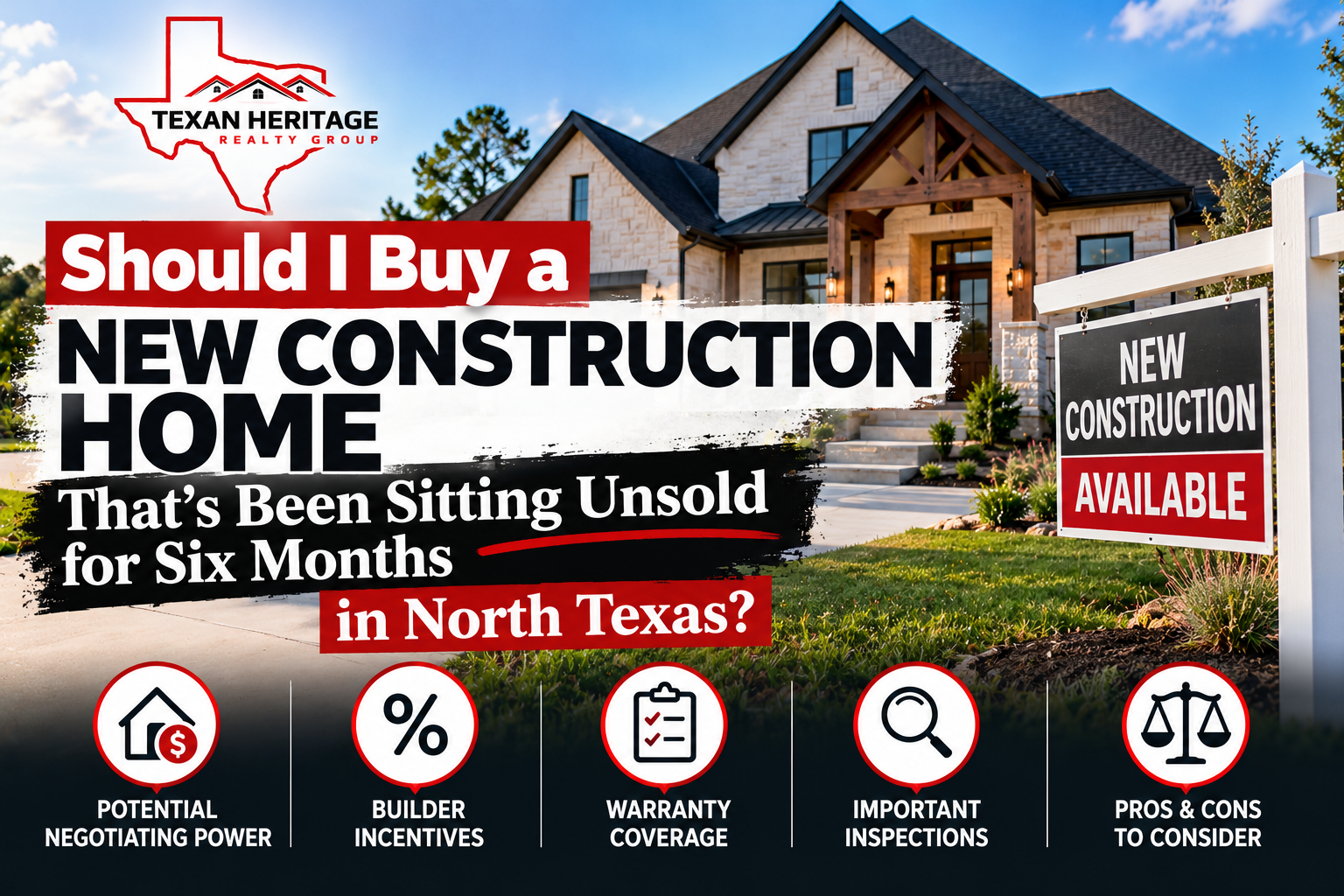
A completed new-construction home that has remained unsold for six months can be worth considering, but time on the market is a negotiating clue—not proof of a defect or a guaranteed discount. Compare the home's actual price and features with competing inventory, investigate why it remains available, obtain an independent inspection, and evaluate builder incentives using written lender estimates before deciding whether the deal makes sense.
Why might a completed new home remain unsold?
The price may be above comparable options; the floor plan, lot, location, finishes, or carrying costs may not match current buyer preferences. Sometimes a contract fell through, or the home was completed ahead of demand. Ask when construction finished, when it first became available, whether it was previously under contract, and what changes were made to its price or advertised incentives. Do not assume a six-month listing period proves the builder is distressed.
Is a completed spec home different from building from the ground up?
Yes. With a completed inventory home, you can see the actual lot, finishes, orientation, and completed work rather than relying only on plans and selections. Your ability to change finishes may be limited, but the completion status can reduce some construction-timeline uncertainty. Verify the certificate of occupancy or applicable final approvals and any remaining punch-list work with the builder and local authority.
How do I know whether the advertised price is competitive?
Compare nearby closed sales and available homes with similar size, age, school zoning, lot characteristics, and upgrades. Include builder-owned homes and relevant resale properties. Compare the total transaction—not just the headline list price. Two homes priced the same may differ substantially in lot premiums, appliances, landscaping, blinds, fencing, taxes, HOA obligations, and closing costs.
What should I compare side by side?
-
Purchase price and comparable closed-sale evidence.
-
Actual included features, not model-home displays.
-
Lot size, orientation, drainage, easements, and neighboring construction.
-
Property taxes, special district assessments, HOA dues, and insurance quotes.
-
Warranty scope, inspection findings, completion documents, and move-in timeline.
-
Financing terms, closing costs, and whether incentives require a preferred lender.
Should I ask for a price reduction or builder incentives?
Run the numbers both ways. A price reduction generally reduces the purchase amount and potentially the loan balance; a lender-approved closing-cost contribution can reduce cash needed at settlement; a temporary rate buydown can lower payments for a defined initial period while leaving the note rate unchanged. Incentives are not interchangeable, and lender/program limits apply. Ask for written quotes with the same loan amount, down payment, lock period, and assumptions.
Example: how to compare offers without guessing
Imagine a builder offers either a $15,000 reduction or $15,000 toward allowable closing costs and a rate buydown. The nominal value is the same, but your actual benefit depends on loan type, available eligible costs, financing terms, appraisal, and how long you plan to keep the mortgage. Have the lender show the Loan Estimate, estimated cash to close, full monthly payment, and any temporary-payment schedule for each option. Do not treat the $15,000 as cash you receive after closing.
Does the builder's preferred lender always offer the best deal?
No universal rule. The preferred lender may have a meaningful incentive, but compare it with an independent lender using standardized written estimates. Examine interest rate, APR, discount points, origination charges, lender credits, rate-lock terms, mortgage insurance, and total cash to close. A low advertised interest rate may require points or specific qualifications.
Do I still need a home inspection on a brand-new house?
Yes, an independent inspection is a prudent step even when a home is newly completed. Confirm the inspection rights and timing in the actual signed contract, especially if the builder uses its own agreement. A general inspector can flag visible concerns; specialist evaluations may be warranted for roofing, HVAC, electrical, drainage, or other systems. A municipal final inspection and a buyer's independent inspection serve different purposes.
What if the inspector finds deficiencies?
Create a written punch list tied to inspection findings, photos, and any specialist recommendations. Ask which items the builder will correct before closing, what evidence will be supplied, and whether a reinspection is permitted. Do not rely solely on verbal promises. If the builder offers a warranty remedy after closing instead, understand what rights you are accepting or giving up under the contract.
Which contract should I expect for completed new construction in Texas?
TREC publishes New Home Contract (Completed Construction), Form 24-20, effective July 1, 2026. However, some builders use their own attorney-prepared contracts, so do not assume the TREC form governs your purchase. Review deadlines, deposit treatment, financing conditions, completion, inspections, warranty documents, arbitration provisions, and default remedies. Consult a Texas real estate attorney about unfamiliar legal terms.
What warranties come with the house?
Ask for the actual written builder warranty and separate manufacturer warranties, not a generic promise of coverage. Confirm when coverage begins, how claims are submitted, which items are excluded, and whether the builder or a third-party administrator handles disputes. Verify whether landscaping, grading, drainage, and cosmetic issues have short reporting windows. A warranty is not a substitute for evaluating condition before closing.
What hidden costs matter in Godley, Joshua, Burleson, and Cleburne?
New developments may have HOA dues, public improvement district assessments, municipal utility district taxes, special utility charges, or other location-specific obligations. None should be presumed for every subdivision. Ask the title company and applicable taxing authorities for parcel-specific information; review recorded restrictions, subdivision disclosures, and lender escrow estimates. Compare insurance quotes and actual commute needs rather than assuming new construction is automatically cheaper to own.
How do I negotiate without losing a good house?
-
Identify the exact home, completion status, and seller entity.
-
Compare recent closed sales and currently available alternatives.
-
Request the builder's current written price, incentives, and expiration conditions.
-
Obtain competing lender estimates on identical assumptions.
-
Review the contract and schedule inspection time before relevant deadlines.
-
Negotiate specific price, closing-cost, repair, and included-item terms in writing.
-
Verify the final walkthrough, punch-list status, warranties, and settlement figures before signing.
A builder may reject any request, and incentives can change; negotiate from evidence rather than assuming six months unsold guarantees a particular concession.
Want help comparing builder inventory in Johnson County?
Texan Heritage Realty Group can compare completed homes against resale alternatives and help you understand what is actually included in an offer. Explore homes or request a consultation at https://www.texan-heritage.com/.
Frequently Asked Questions
Is a six-month-old spec home considered used?
Not simply because it has been completed for six months. Confirm whether anyone has occupied it and review the property's actual status and documents.
Will a builder lower the price on an unsold home?
Possibly, but it is a business decision, not a legal entitlement. The strongest request uses comparable sales and a clear written offer.
Are builder rate buydowns always better than a lower price?
No. Compare total costs, cash to close, payment changes, and how long you expect to own or refinance the home.
Does a new house require a seller's disclosure notice?
Texas Property Code §5.008 provides an exemption for a new residence that has not previously been occupied. Other disclosures and contractual obligations may still apply.
Should I use the builder's lender?
Compare written estimates from the preferred lender and at least one alternative. Incentive eligibility and total costs matter more than the marketing headline.
Can I inspect before closing?
Inspection access and deadlines depend on your agreement. Address inspection rights before signing, not after your leverage has expired.
Ready to compare new construction with resale?
Speak with Texan Heritage Realty Group before visiting builder communities or signing paperwork. We'll help you compare the full cost, contract details, and neighborhood alternatives: https://www.texan-heritage.com/.
About Jason Cech
Jason Cech is the team leader and broker associate of Texan Heritage Realty Group at Fathom Realty. Licensed since 2017, he serves clients with his team across Cleburne, Johnson County, and surrounding North Texas communities. The team assists with new construction, resale, and rural property transactions.
Important information
Texan Heritage Realty Group is affiliated with Fathom Realty. General educational content only; not legal, lending, tax, or inspection advice. Builder programs and property terms vary. Verify current incentives and property-specific costs directly. TREC; Equal Housing Opportunity. Information reviewed October 2026.
Primary sources
-
TREC New Home Contract (Completed Construction), Form 24-20: https://www.trec.texas.gov/forms/new-home-contract-completed-construction-0
-
TREC contracts: https://www.trec.texas.gov/agency-information/contracts
-
Texas Property Code §5.008: https://tcss.legis.texas.gov/resources/PR/htm/PR.5.htm
-
CFPB Loan Estimate explainer: https://www.consumerfinance.gov/owning-a-home/loan-estimate/
-
CFPB What is a Loan Estimate: https://www.consumerfinance.gov/ask-cfpb/what-is-a-loan-estimate-en-1995/